
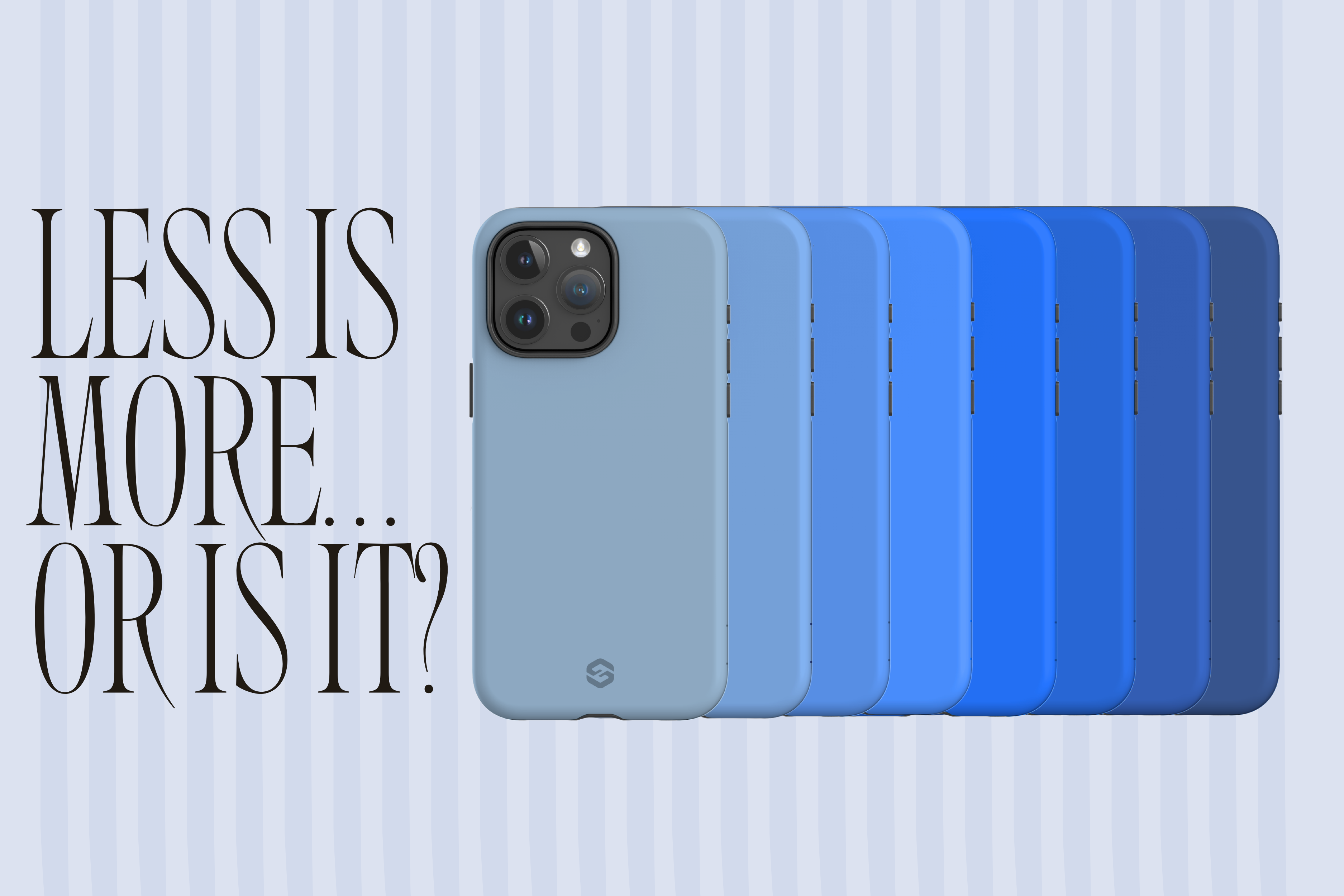
Imagine walking into a store to buy jam. There are 24 flavors. Strawberry. Raspberry. Apricot. Peach. Blackberry. Cherry. Mixed Berry. Triple Berry. Organic Strawberry. Reduced Sugar Strawberry.
Five minutes later, you’re still standing there.
Now imagine there are only three options. You pick one immediately and move on with your life.
This is the idea behind the paradox of choice, a concept popularized by psychologist Barry Schwartz. The theory suggests that while we like having choices, too many options can make decisions harder, more stressful, and less satisfying.
But that’s only half the story.
You see, if too much choice is always bad, why do people spend hours comparing paint swatches, building custom sneakers, designing dream homes, or creating playlists?
Clearly, we don’t hate choice. So what’s really going on?
The Problem Isn’t More Choices
The problem is meaningless choices.
Think about shopping for a television.
You might find 30 models that all look nearly identical.
The differences are tiny – a slightly different refresh rate, or one extra port you’'ll never wind up using. You’re asked to make a decision, but none of the options feel meaningfully different.
That is exhausting.
The same thing happens everywhere. Streaming services with thousands of shows. Restaurant menus with 14 pages. More options don’t automatically create more freedom. Sometimes they just create more work.
But Then Something Interesting Happens
People willingly spend enormous amounts of time choosing things that feel personal. A wall color. A wedding invitation. A baby name. A tattoo. A playlist.
Nobody says ‘please just get me only three tattoo designs and get this done with.’
In fact, the opposite is usually true. When something reflects our identity, we often want more choices, not fewer. That’s because in this case, we’re not just selecting an object, we're expressing ourselves.
Meaningful Choice Feels Different
Researchers often discuss choice overload as if all decisions are equal. But they aren’t.
Choosing between 20 nearly identical products feels frustrating. Choosing between 20 colors that evoke completely different moods feels engaging.
One feels like administration. The other is self-expression.
That is an important distinction. People don't necessarily want fewer options, they want options that actually mean something.
Why We Keep Looking for ‘The Right One’
Have you ever spent way too long choosing a color?
It’s not because you couldn’t tell the difference, but because you could.
One shade feels too cool. Another is a tad too warm. One’s brighter. The other feels more sophisticated. Another feels playful.
Color isn’t just visual, it’s emotional.
The choice isn’t really about the object, but about how you want it to feel and how it should reflect you.
The Real Purpose of Choice
We’re trying to find the version that feels most like us. The playlist that matches our taste. The apartment that matches our lifestyle. The paint swatch that matches our vision. The product that feels like something we would choose. Not because it’s objectively best, but because it feels right.
When options are confusing, repetitive, or meaningless, more choices create stress. But when options help us express something about ourselves, more choices create possibility.
That’s why people get frustrated with dozens of internet plans, but happily spend an hour finding exactly the right shade of green for their bedroom wall.
One is a task. The other is a form of self-expression. That difference changes everything.
This is something we considered a lot at Skreed.
Theoretically, there are infinite shades in the world because the light spectrum is continuous. Human eyes can perceive about 1 million distinct hues, and standard digital screens create roughly 16.7 million variations.
Most tech brands give you six. Maybe eight if they’re feeling generous. We don’t think anyone needs to choose from millions of colors, but we do think six probably isn’t enough. And so, we built a palette of 240 nuanced shades, a curated list out of millions. Not because more is always better, but because better choices come from having enough options to find the one that actually feels like you.
Share:
The History of Colors: How Millennial Pink, Tiffany Blue, and Matcha Green Became Cultural Icons
A World Defined By Color